
Glaucoma is often called the “silent thief of sight” because the most common type can damage the optic nerve without pain, redness, or obvious vision changes. In fact, the earliest sign is often no sign at all.
Glaucoma usually affects peripheral vision first, while central vision may stay clear. That makes the gradual changes easy to miss in daily life. A glaucoma exam can detect concerns before vision loss becomes apparent.
The Most Common Changes to Watch For
Loss of Side Vision
Peripheral vision is what allows you to notice what is beside you without turning your head. Because glaucoma commonly affects side vision first, you may begin to compensate without realizing it.
You may notice that you are:
- Turning your head more often to see what is around you
- Missing objects, people, or movement off to the side
- Bumping into doorframes, furniture, or items at your side
- Feeling as if your field of view has gradually narrowed
Trouble in Dim Light or at Night
Vision changes from glaucoma can make low-light environments more challenging. It may take longer for your eyes to adjust when moving from a bright setting into a darker one.
Watch for patterns such as:
- Feeling less certain on stairs, curbs, or uneven walkways
- Having difficulty navigating dim restaurants, theaters, or parking garages
- Struggling more with night driving
- Failing to notice cars, cyclists, or pedestrians in your side view while driving
Blind Spots or Missing Areas of Vision
As glaucoma progresses, peripheral vision loss can create small blind spots or patchy areas. These may not look like a dark spot in your vision. Instead, an object may simply seem to appear later than expected, or part of a scene may feel like it is missing.
If you notice new blind spots, patchy vision, or persistent changes in what you can see, schedule an eye exam promptly.
Why Symptoms Are Not Enough
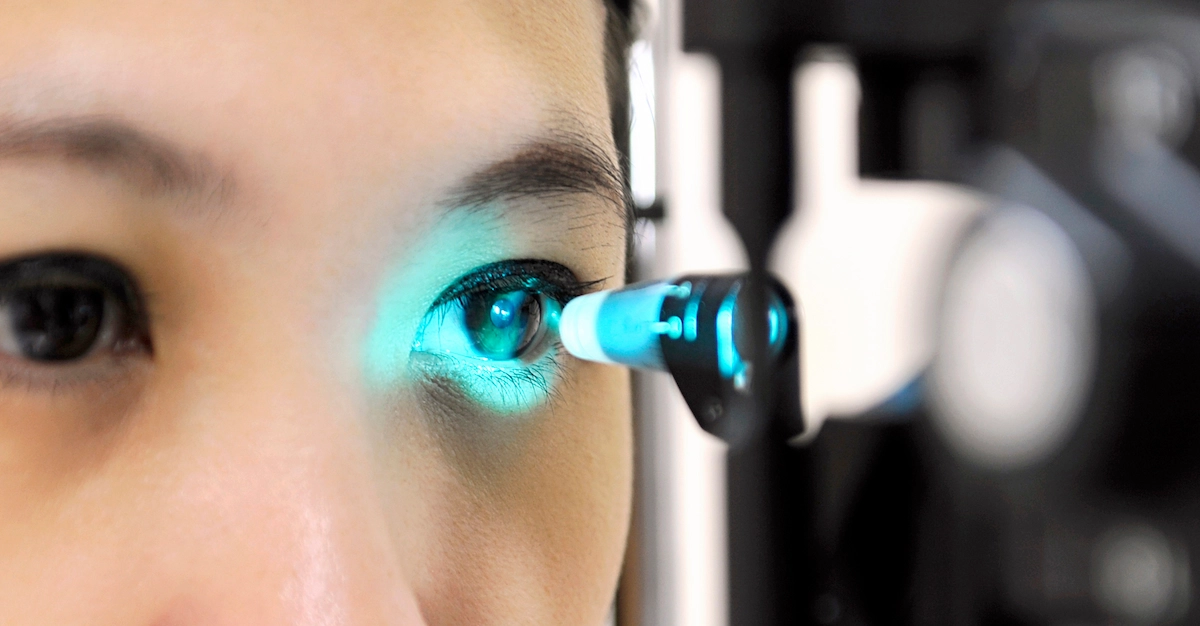
Even these subtle signs are not reliable early warnings. Many people with glaucoma do not notice changes until meaningful vision loss has already occurred. A comprehensive eye exam can identify glaucoma-related changes that you cannot see or feel, including changes in eye pressure, optic nerve health, and peripheral vision.
Risk can be higher with age, a family history of glaucoma, diabetes, high blood pressure, or elevated eye pressure. Dr. Kristina A. Pusz can assess your individual risk factors and recommend an exam schedule that supports your long-term eye health.
Protect Your Vision Before Changes Become Obvious
Glaucoma-related vision loss cannot be reversed, but early detection and treatment can help slow or prevent further damage. If it has been more than two years since your last eye exam — or you have glaucoma risk factors — schedule an evaluation now.