

Call
Appt
Hours
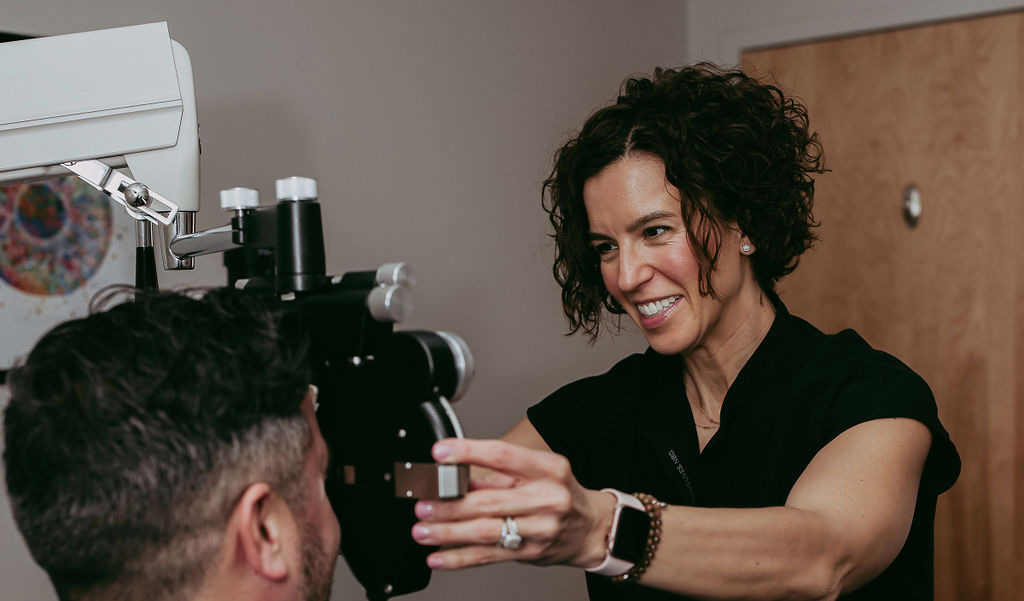
Comprehensive Eye Exam
in Pittsburgh
Many eye conditions, like glaucoma, macular degeneration, and diabetic retinopathy, often develop slowly over time and may not have noticeable symptoms until they have progressed significantly. Regular eye exams in Pittsburgh help us catch these issues early when treatment is most effective, preventing serious vision loss. Even if you see perfectly, we can help ensure your vision stays that way.
Comprehensive eye exams also play a crucial role in maintaining overall wellness. Many systemic health conditions, such as diabetes, high blood pressure, and autoimmune disorders, can impact your eyesight. During your annual eye exam, our optometrists will look for any signs of these underlying health issues and coordinate with other healthcare providers if necessary to ensure that you receive proper care.
“We encourage patients to have regular eye exams because many eye conditions develop silently without obvious symptoms at first. Preventive care helps us catch issues early—before they become serious or affect vision permanently. Regular eye exams give us a chance to keep your eyes healthy and even spot other health concerns early, so you can feel confident about your overall well-being.”

Our holistic approach to eye care
At Pittsburgh Primary Eyecare, we believe that true eye health goes beyond just prescribing glasses or contact lenses. Our holistic approach considers your lifestyle, diet, stress levels, and overall health to provide you with personalized care that addresses all aspects of your well-being.
We work closely with you to develop a treatment plan that improves your vision and enhances your quality of life.
What to expect during your eye exam
When you come in for an eye exam in Pittsburgh, we’ll guide you through a series of steps designed to check your vision and overall eye health:
Medical history & discussion
We’ll talk about your medical history, current vision concerns, and overall health. This helps us identify any risks or conditions that could affect your eyes.
Visual acuity test
You’ll read from an eye chart so we can measure how clearly you see at different distances. This shows if you need glasses or contact lenses.
Autorefractor measurement
If you need corrective lenses, we will use an autorefractor to measure your prescription. This quick, non-invasive device helps us determine the correct lens prescription by evaluating how light changes as it enters your eye.
Visual field testing
We also use visual field testing to measure how much you can see out of the corner of your eyes and to check for blind spots. Areas of vision loss in your visual field can be an early sign of eye conditions such as glaucoma. The sooner we detect these conditions, the better your chances of preserving your vision.
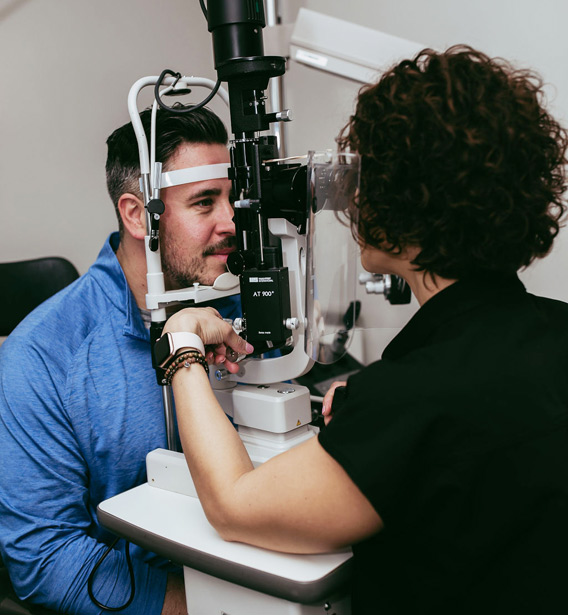
Specialized testing & advanced imaging techniques
For a closer look at the back of your eye, we might use digital retinal imaging. This innovative technology provides high-resolution images of your retina, helping us catch issues like diabetic retinopathy and macular degeneration early.
We may also use optical coherence tomography (OCT) to capture detailed cross-sectional images of your retina. This non-invasive technology lets us see the layers of your retina, helping us diagnose and monitor conditions like glaucoma, macular degeneration, and diabetic retinopathy.
Schedule an eye exam in Pittsburgh
Regular eye exams are an important part of caring for your eyes and overall health. By taking a holistic approach to eye health that focuses on the prevention and early detection of diseases, our practice is committed to providing exceptional care for all our patients.
If you’re due for an eye exam or have concerns about your eyesight, schedule an appointment in South Side with us today.
Frequently asked questions about eye exams
How much does an eye exam cost?
The cost of a comprehensive eye exam varies depending on your insurance coverage and whether you need additional testing. Many vision plans cover one annual comprehensive exam, so checking your benefits before your appointment is a good idea.
If you don’t have vision insurance, our team is happy to discuss self-pay options when you call to schedule. Contact our South Side office to learn more about pricing and what your plan may cover.
How long does an eye exam take?
You should plan to spend about an hour at our office for a comprehensive eye exam, though the exact time depends on which tests you need.¹ A full exam includes several screenings, from a glaucoma pressure test and visual acuity check to a refraction assessment, each of which takes a few minutes.
If we recommend advanced imaging like OCT or digital retinal imaging, you can expect to spend a little extra time at our office. We’ll make sure to clearly explain each step during your appointment.
How often should I get an eye exam?
For most healthy adults, an annual comprehensive eye exam is the standard recommendation. Adults with no known eye conditions should have a comprehensive exam at least every two years, while those with risk factors, such as diabetes, high blood pressure, or a family history of glaucoma, may need to come in more often.²
Children in school and adults 65 and older should schedule eye exams at least once a year.² When you come in, your eye doctor will recommend a schedule tailored to your unique needs.
Will my eyes need to be dilated during the exam?
Not always. At Pittsburgh Primary Eyecare, we use digital retinal imaging, which allows us to capture high-resolution images of the back of your eye without requiring dilation in many cases. We may still recommend dilation—eye drops that temporarily widen your pupils—depending on your age, health history, or risk factors for conditions like glaucoma or macular degeneration.³
If we need to dilate your eyes, plan to arrange a ride or allow extra time afterward, as your vision may be blurry and your eyes sensitive to light for a few hours.
What should I bring to my eye exam appointment?
To make the most of your visit, bring your current glasses or contact lenses, a list of any medications you take, and both your medical and vision insurance cards, if you have them.⁴ We may need each depending on the type of care or testing provided during your exam.
It’s also helpful to note any symptoms you’ve noticed, such as blurry vision, headaches, or eye strain, and share any relevant family history of eye conditions like glaucoma or macular degeneration.
Do I need an eye exam even if my vision seems fine?
Yes, and this is one of the most important reasons to schedule regular exams. Many of the most serious eye conditions, including glaucoma, diabetic retinopathy, and macular degeneration, cause little to no noticeable symptoms in their early stages.
Vision screenings alone, like those at the DMV or school, are not a substitute for a comprehensive exam performed by an eye care professional. By the time vision changes become obvious, some conditions may have already caused irreversible damage. Regular exams at Pittsburgh Primary Eyecare give us the best chance to protect your sight before problems progress.



