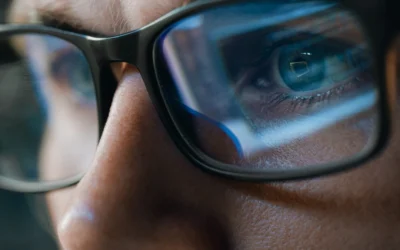

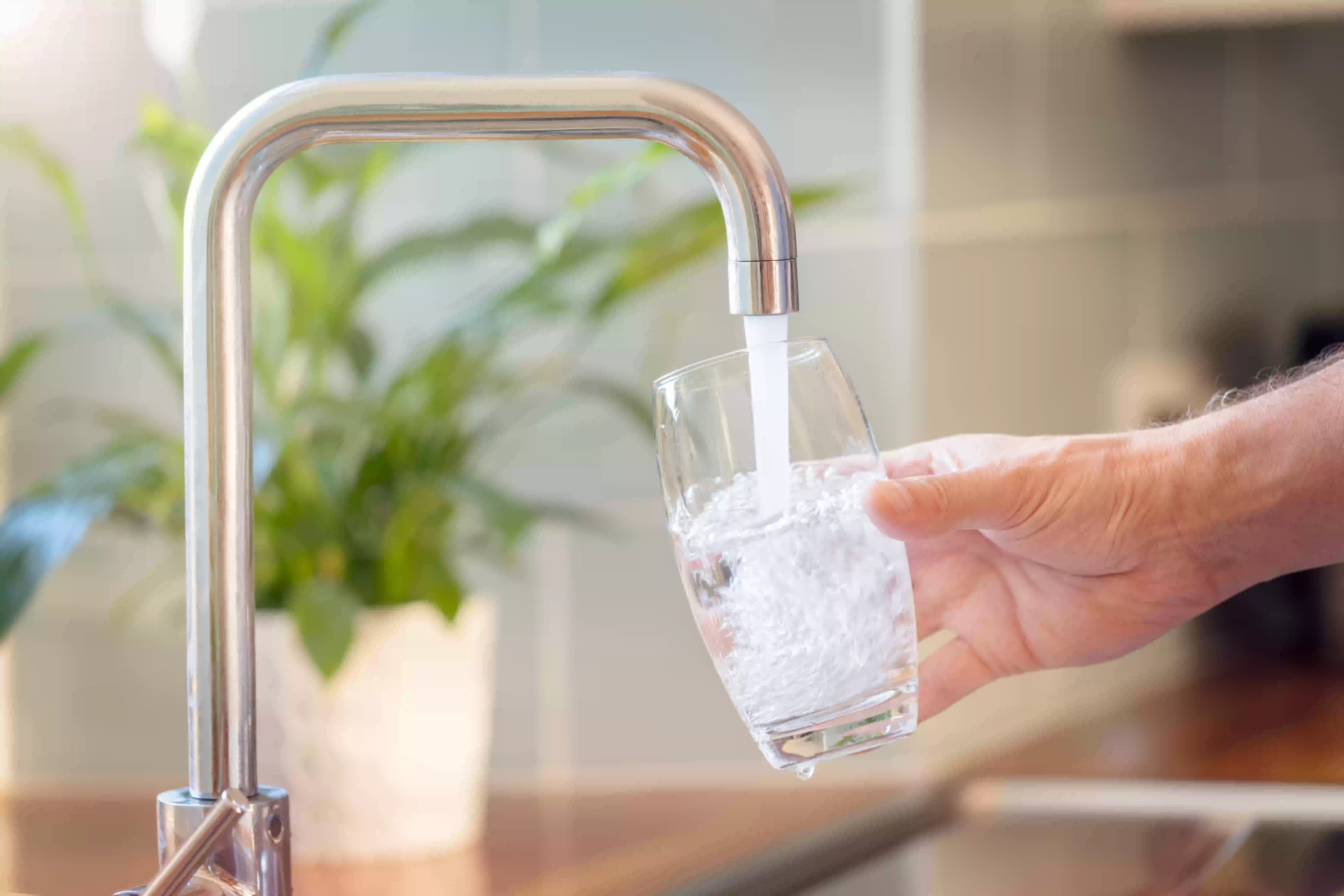
When your eyes feel gritty, burning, watery, or tired, reaching for a glass of water may seem like a simple solution. Hydration supports many essential body functions, including the systems that help maintain a healthy tear film. Still, drinking more water is not usually a complete fix for dry eye. Persistent symptoms often have multiple causes, and a dry eye specialist can help identify what is affecting your comfort.
Can dehydration make dry eye symptoms worse?
Yes, dehydration can contribute to dry eye discomfort, especially if you are not drinking enough fluids consistently. Tears contain water, oils, mucus, and other components that work together to protect and lubricate the eye’s surface. When the body is dehydrated, it may be harder to maintain the moisture your eyes need.
Dry eye symptoms may feel more noticeable when dehydration occurs alongside other triggers, such as:
- Long periods of screen use
- Dry indoor air, fans, or air conditioning
- Contact lens wear
- Certain medications
- Allergies or seasonal irritation
- Incomplete blinking or eyelid gland dysfunction
Drinking water throughout the day is a smart habit for overall wellness, but it does not replace a personalized dry eye treatment plan when symptoms continue.
How does water support tear health?
Good hydration helps support normal tear production and overall eye comfort. It may be especially helpful when dry eye symptoms are connected to temporary causes, such as a busy day, travel, exercise, heat exposure, or illness.
Build consistent hydration habits
Instead of waiting until you feel thirsty, keep water accessible throughout the day. A few practical ways to stay hydrated include:
- Start the morning with a glass of water
- Keep a refillable bottle near your desk or bag
- Pair water with meals and snacks
- Choose water more often than sugary or highly caffeinated drinks
- Add hydrating foods, such as fruits, vegetables, soups, and yogurt, to your routine
Your fluid needs can vary based on your health, activity level, environment, and medications. If you have a medical condition that affects fluid intake, follow your physician’s guidance.
Why water alone may not solve dry eye
Dry eye is often more complex than simply not drinking enough water. Many people have evaporative dry eye, which occurs when the oily layer of the tear film is not working effectively. This can allow tears to evaporate too quickly, even when you are well hydrated.
Our holistic eye care approach considers the factors that may affect your eyes as well as your overall well-being. Daily routines, screen time, nutrition, inflammation, eyelid health, and environmental exposure can all play a role in dry eye symptoms.
Dr. Kristina A. Pusz can evaluate the underlying causes of dry eye and recommend care based on your individual needs. That may include at-home strategies, lifestyle guidance, and treatment options designed to support more lasting relief.
When should you seek care for dry eye?
Occasional dryness after a long day may improve with hydration, screen breaks, and a good night’s sleep. However, ongoing or worsening symptoms deserve professional attention.
Consider scheduling a comprehensive eye exam if you regularly experience:
- Burning, stinging, or redness
- Blurry or fluctuating vision
- Excessive tearing
- Light sensitivity
- A persistent sandy or foreign-body sensation
Support comfortable eyes with personalized dry eye care
Drinking enough water can support tear health and help reduce dehydration-related discomfort, but dry eye relief often requires a closer look at the full picture. Personalized care can help uncover what is contributing to your symptoms and create a plan that supports clearer, more comfortable vision. Schedule an appointment to discuss persistent dry eye symptoms and the right next steps for your eyes.